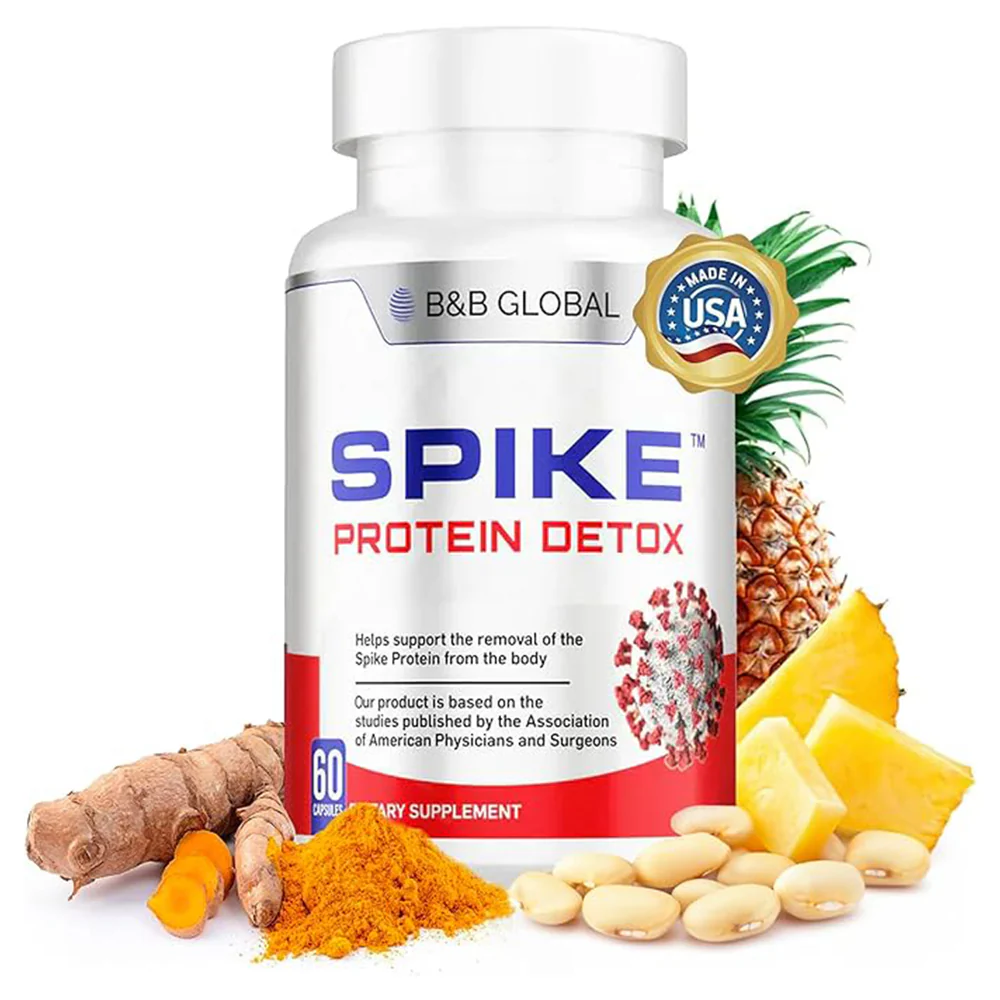
As with any emerging health trend, a thorough examination of biological mechanisms, ingredient science, regulatory oversight, and marketing claims is necessary to distinguish evidence-based support from speculative positioning.
Biological Context: What Are Spike Proteins?
Spike proteins are structural components found on the surface of certain viruses, including SARS-CoV-2. These proteins allow the virus to attach to host cell receptors and facilitate entry. During infection, the immune system recognizes spike proteins as foreign antigens and activates both innate and adaptive immune responses.
Some vaccines instruct the body to temporarily produce harmless fragments of spike protein in order to train immune defenses. From a physiological standpoint, these proteins are not permanent. The body’s immune and cellular systems break them down through normal metabolic pathways.
Current medical consensus does not indicate that spike proteins persist indefinitely or require external detoxification interventions in healthy individuals. Nonetheless, the perception of needing additional “support” has contributed to the growth of a supplement subcategory built around this concept.
Common Ingredients in Spike Detox Formulations
Most products marketed under the spike detox label contain a blend of enzymes, plant extracts, and antioxidants traditionally associated with cardiovascular and inflammatory support. One such brand operating in this space is SpikeDetox, which highlights enzyme-based formulations intended to support immune and circulatory health.
Frequently included ingredients across similar products include:
Nattokinase
An enzyme extracted from fermented soybeans (natto), nattokinase has been studied for its potential fibrinolytic properties. Research suggests it may influence blood flow by interacting with fibrin, a protein involved in clot formation. However, its clinical application remains under investigation, and it should be used cautiously by individuals taking anticoagulant medications.
Bromelain
Derived from pineapple stems, bromelain has been researched for its anti-inflammatory and digestive properties. Some studies explore its immune-modulating potential, though it is not clinically validated as a spike protein–specific agent.
Curcumin
The primary active compound in turmeric, curcumin is known for antioxidant and anti-inflammatory activity. While widely studied, its bioavailability is limited unless paired with absorption enhancers.
Piperine
Commonly sourced from black pepper extract, piperine enhances curcumin absorption. It can, however, influence the metabolism of certain medications, warranting medical consultation before use.
While these ingredients have research supporting general wellness benefits, extrapolating their properties into claims of spike protein detoxification extends beyond established clinical guidelines.
Regulatory Oversight and Labeling Standards
In the United States, dietary supplements are regulated under the Dietary Supplement Health and Education Act (DSHEA). This Detoc From Spike Supplement legislation places responsibility on manufacturers to ensure safety and proper labeling but does not require pre-market approval comparable to pharmaceutical drugs.
Key regulatory considerations include:
Supplements may make structure/function claims (e.g., “supports immune health”).
They may not claim to diagnose, treat, cure, or prevent disease without FDA approval.
FDA registration of a manufacturing facility does not equate to product approval.
Consumers evaluating spike detox supplements should look for:
Third-party laboratory testing
Good Manufacturing Practice (GMP) certification
Transparent disclosure of ingredient dosages
Clear contact information and refund policies
Regulatory compliance and transparency provide stronger credibility indicators than marketing narratives alone.
Scientific Perspective and Evidence Gaps
At present, there is no mainstream medical recommendation endorsing spike protein detox supplementation. The immune system is designed to process viral proteins efficiently through established immunological pathways, including antigen presentation and cellular degradation click here mechanisms.
While maintaining cardiovascular and immune health through balanced nutrition may be beneficial, framing supplementation as necessary for spike protein removal lacks broad scientific consensus. Healthcare providers generally emphasize:
Balanced diet rich in micronutrients
Adequate hydration
Quality sleep
Stress management
Regular medical consultation when symptoms persist
Supplements may serve as adjuncts to wellness routines but should not replace professional medical care.
Market Dynamics and Consumer Psychology
The growth of spike detox products illustrates how rapidly health-related narratives can evolve into commercial opportunities. Online marketing strategies, search engine optimization, and targeted content campaigns amplify visibility for niche health keywords. High search rankings, however, reflect digital marketing proficiency rather than clinical validation.
Consumer decision-making in this category is often influenced by uncertainty, risk perception, and desire for proactive health control. Understanding this psychological component helps explain why such supplements gain traction despite limited clinical endorsement.
Risk Assessment and Responsible Supplementation
Before introducing any enzyme-based supplement, individuals should assess:
Potential interactions with prescription medications
Underlying cardiovascular conditions
Allergies to soy or pineapple derivatives
Evidence supporting specific dosage ranges
Professional medical consultation is particularly important for individuals on anticoagulants, antiplatelet therapy, or managing chronic health conditions.
Conclusion
Spike protein detox supplements represent an intersection of evolving public health discussions and commercial wellness marketing. Ingredients such as nattokinase, bromelain, and curcumin possess research histories related to inflammation control and cardiovascular support. However, there is currently no established medical requirement for detoxifying spike proteins after infection or vaccination.
In a competitive supplement marketplace, consumers should prioritize scientific literacy, regulatory awareness, and healthcare guidance. Transparent labeling, realistic claims, and third-party verification remain the most reliable indicators of product credibility.